
A museum trip with kids either lands beautifully or falls apart in the first thirty minutes. The difference usually isn't the museum — it's whether your plan matches your kid's age and reality.
South Florida actually has solid options for every age — the Frost Museum of Science, PAMM, the Miami Children's Museum, Vizcaya. But none of that matters if you take a four-year-old through a Renaissance gallery expecting quiet contemplation. Here's what we've learned, age by age.
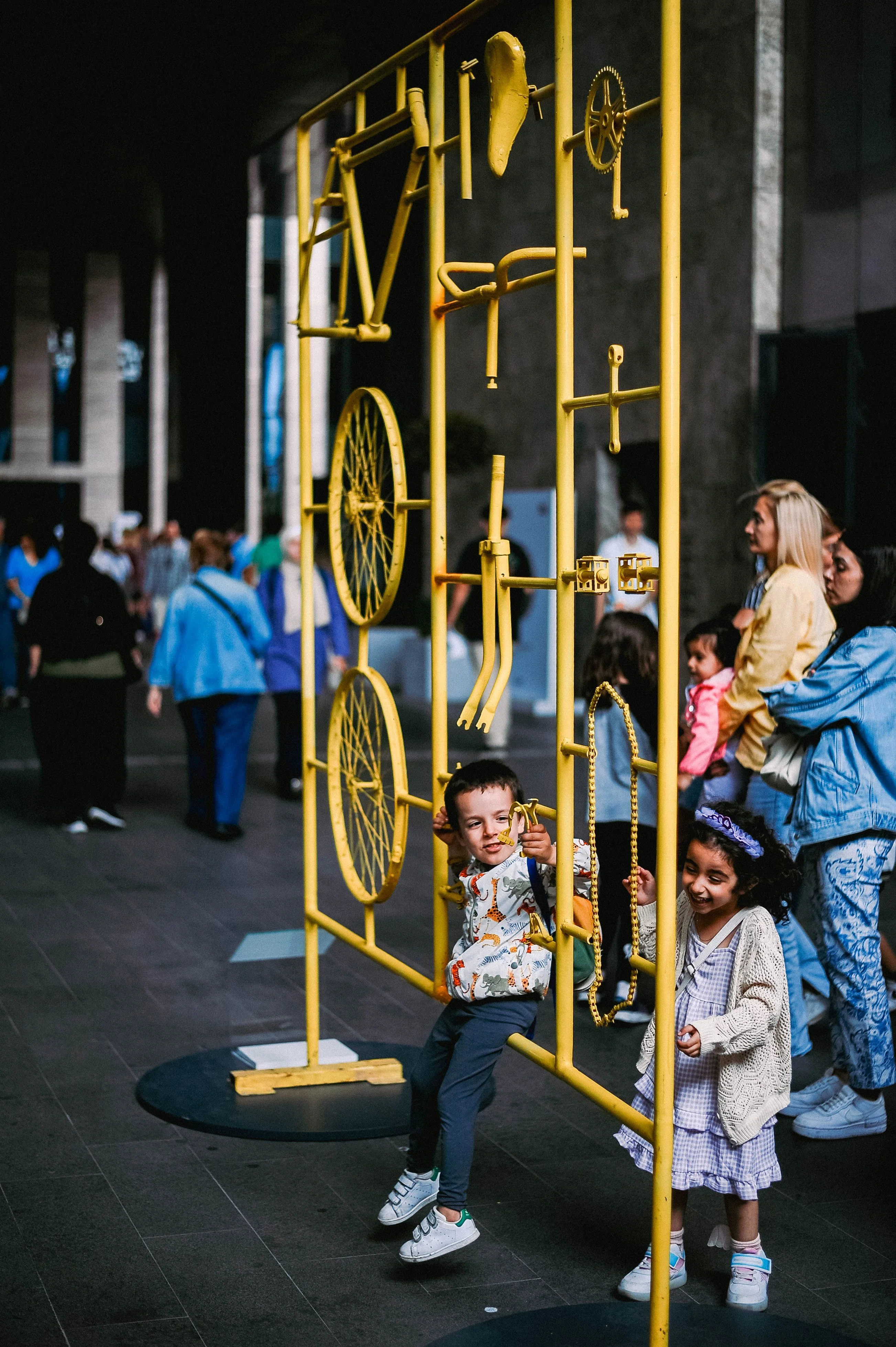
Preschoolers (Ages 4–6): They Learn With Their Hands
A preschooler is not going to look at a painting and feel something. They'll look at it for about eight seconds, ask what's in it, then wander toward the floor tiles because the patterns are more interesting. This is not a failure of parenting. It's how four-year-olds work. The whole point of museums at this age is sensory: hands-on, eye-level, full of buttons.
Pick the right museum. Children's museums and science museums beat art museums every time at this age. Smaller exhibits — one or two rooms — work better than sprawling galleries. The goal is to leave while they're still interested, not after a meltdown in the gift shop.
Let them touch. Interactive tables exist because tiny kids learn by doing. Push the buttons. Turn the wheels. Hold the replica fossil. Anything on that table has already been pre-approved for sticky hands — that's the whole point.
Plan the break before they need it. Once a kid starts melting down in a museum, you've already waited twenty minutes too long. Build in exits: a bench in a quiet hallway, a snack in the lobby, ten minutes outside in the sun. A short visit you both enjoyed beats a long one you both endured.
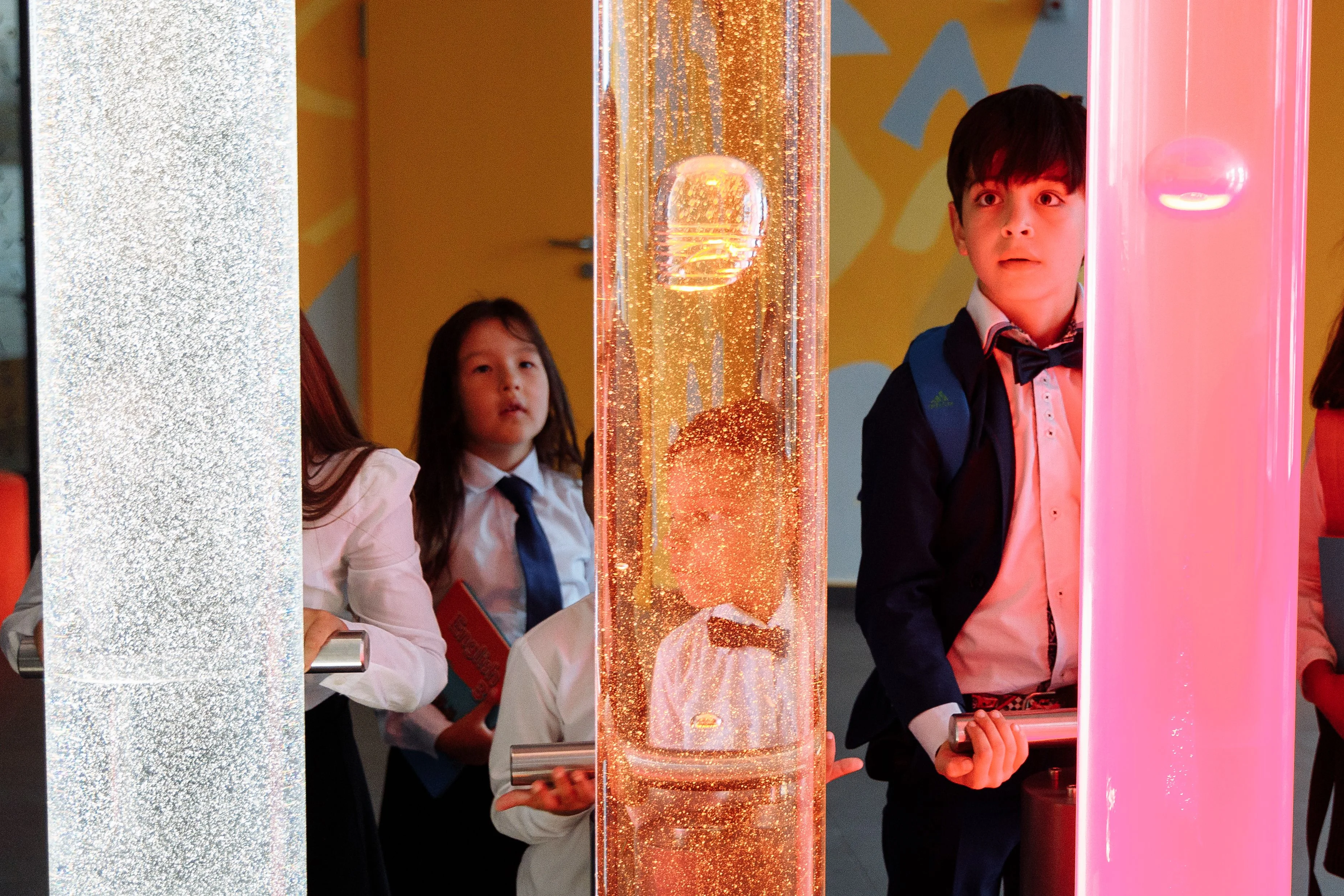
School-Age Kids (Ages 7–11): They Want a Story
This is the age when museums start to click. Kids 7–11 have school context now — they've heard of dinosaurs, knights, the solar system, mummies. They want to connect things to things they already know. And they love rules and games, which is exactly what a museum visit can become if you frame it right.
Connect it to what they're already learning. Two minutes in the car before you go in: "Remember when you were doing medieval times in class? They have real knight armor here — want to see if it's as heavy as it looks?" That one sentence turns the museum from your idea into theirs.
Make it a scavenger hunt. Before you arrive, write down five to seven questions on a piece of paper. "Which gemstone is biggest?" "Find a statue missing its arms." "What lived 60 million years ago and what did it eat?" One sticker per correct answer and the whole museum becomes a game board. We've watched 9-year-olds do this happily for two hours straight.
Step back when they get pulled in. When a kid stops in front of something specific and stares — a fossil, a model, a weird painting — don't narrate. Don't ask leading questions. Stand five feet behind them and let them have the moment. The best conversations of the day usually come later, in the car, when they bring it up themselves.
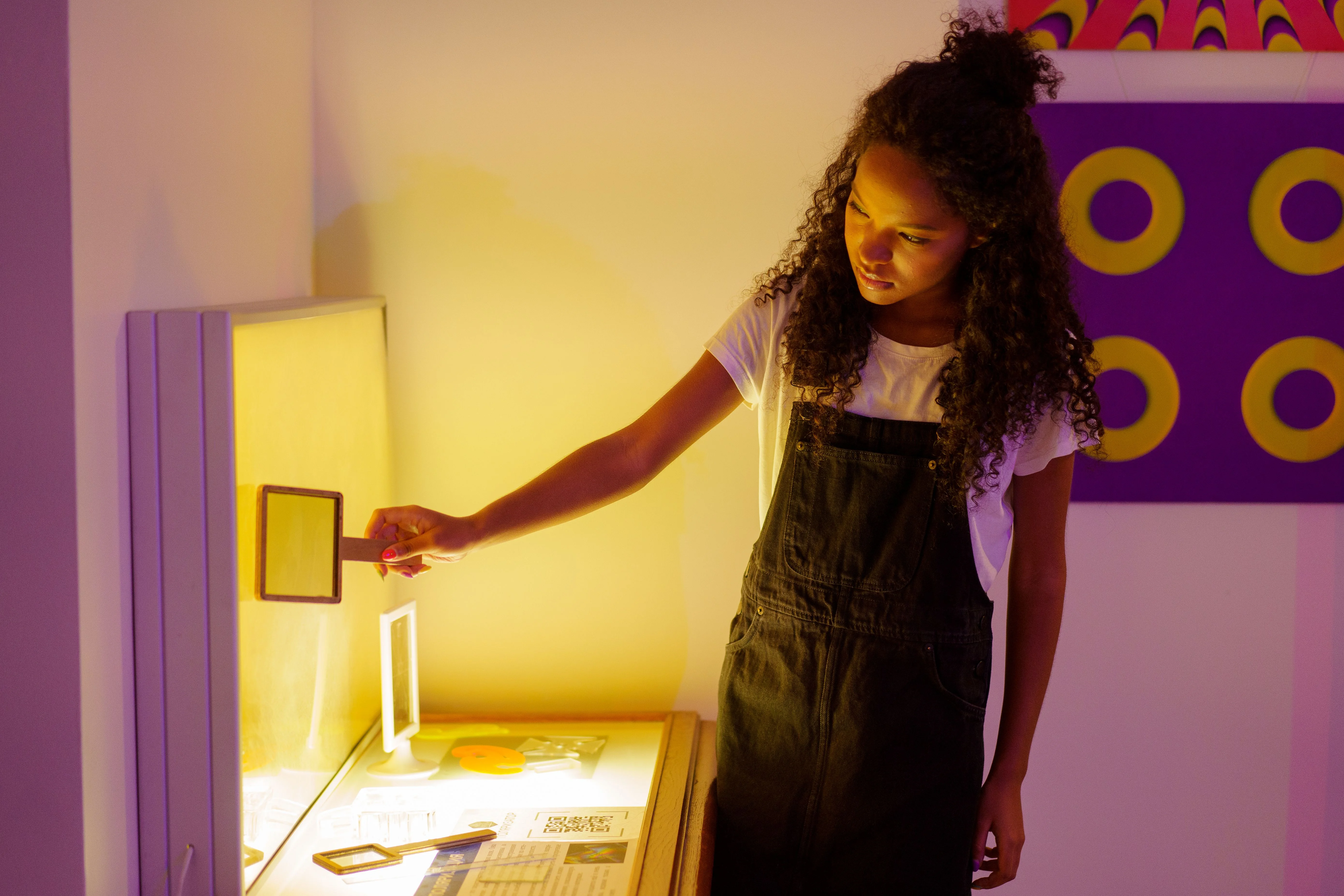
Tweens and Teens (Ages 12–18): They Need to Own It
A teenager dragged to a museum is a teenager mentally checked out before you've parked. A teenager who chose the museum, picked the exhibit, and is using their phone in a way nobody is scolding them for — that's a completely different kid in the same building.
Hand them the map. Let them pick what to see. Even if it's something you wouldn't have chosen, the fact that they picked it is more than half the battle. Engagement starts with agency.
Use the museum's tech instead of fighting it. Most modern museums have audio guides built like games, AR apps that overlay information on what you're looking at, QR-code quests through the galleries. For a generation raised on screens, this is the bridge, not the enemy. Download whatever the museum offers before you go.
Look for events made for their age. Museum Nights, after-hours quests, workshops, lectures pitched at older audiences — they run all over South Florida and often pull in actual teenagers, not just families with teenagers. Being there alongside other teens, in a slightly "adult" setting, changes the whole experience.
The Real Win
A museum trip with kids isn't about seeing everything. It's about your kid walking out with one or two things they actually remember — a fossil they touched, a painting they couldn't stop looking at, a fact they bring up two weeks later at dinner. If you only made it through one exhibit before you had to leave, you didn't fail. You did the thing you came to do.